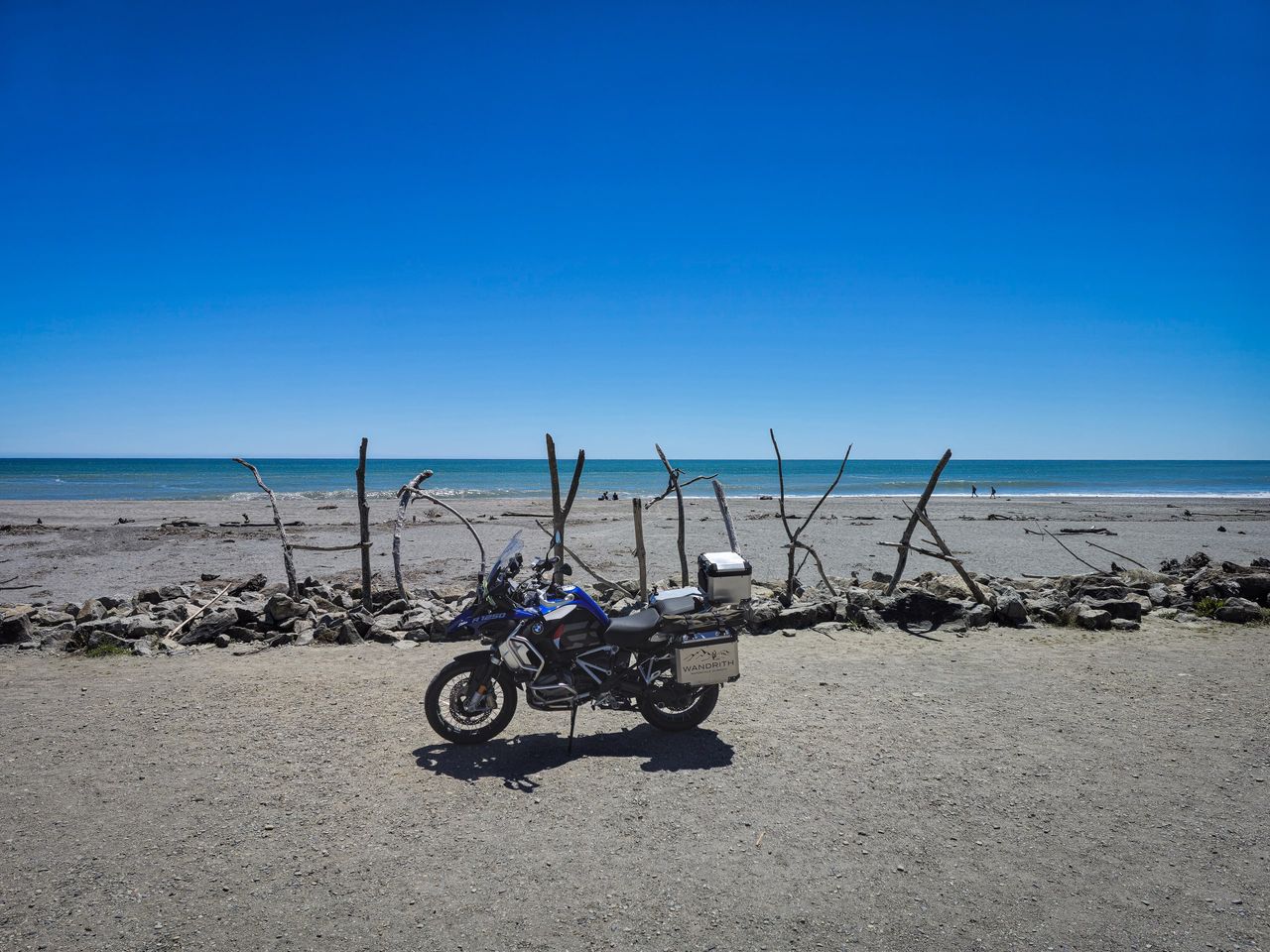
A guided motorcycle tour of New Zealand puts you in a group behind a guide, usually with a support vehicle; on a self-guided motorcycle tour you ride on your own, with the bike, the route and every night arranged before you arrive. Neither is better: they suit different riders. We run only self-guided journeys, so this guide says plainly when a guided tour is the better choice.
The short answer
Choose a guided tour if you want company on the road, someone to follow and, often, a vehicle behind you with a mechanic and your luggage. Choose a self-guided journey if you would rather set your own pace, ride with only the people you brought and still have the arranging done for you.
Many motorcycle tour companies run guided group rides, and they do a fine job. The question is how you like to ride.
What a guided tour gives you
A guided tour is a group ride with a leader. The guide knows the roads, sets the pace and chooses the stops, so you never need to look at a map. On many tours a support vehicle follows the group with a mechanic, spare parts and everyone’s bags, and a partner who would rather not ride can often travel in it.
There is company built in: riders to share the day with, and a table of them at dinner. If this is your first time riding abroad, or on the left, following someone who knows these roads takes a good deal of the work out of it.
What a self-guided journey gives you
With Wandrith, self-guided means you ride on your own terms, with nothing left to arrange:
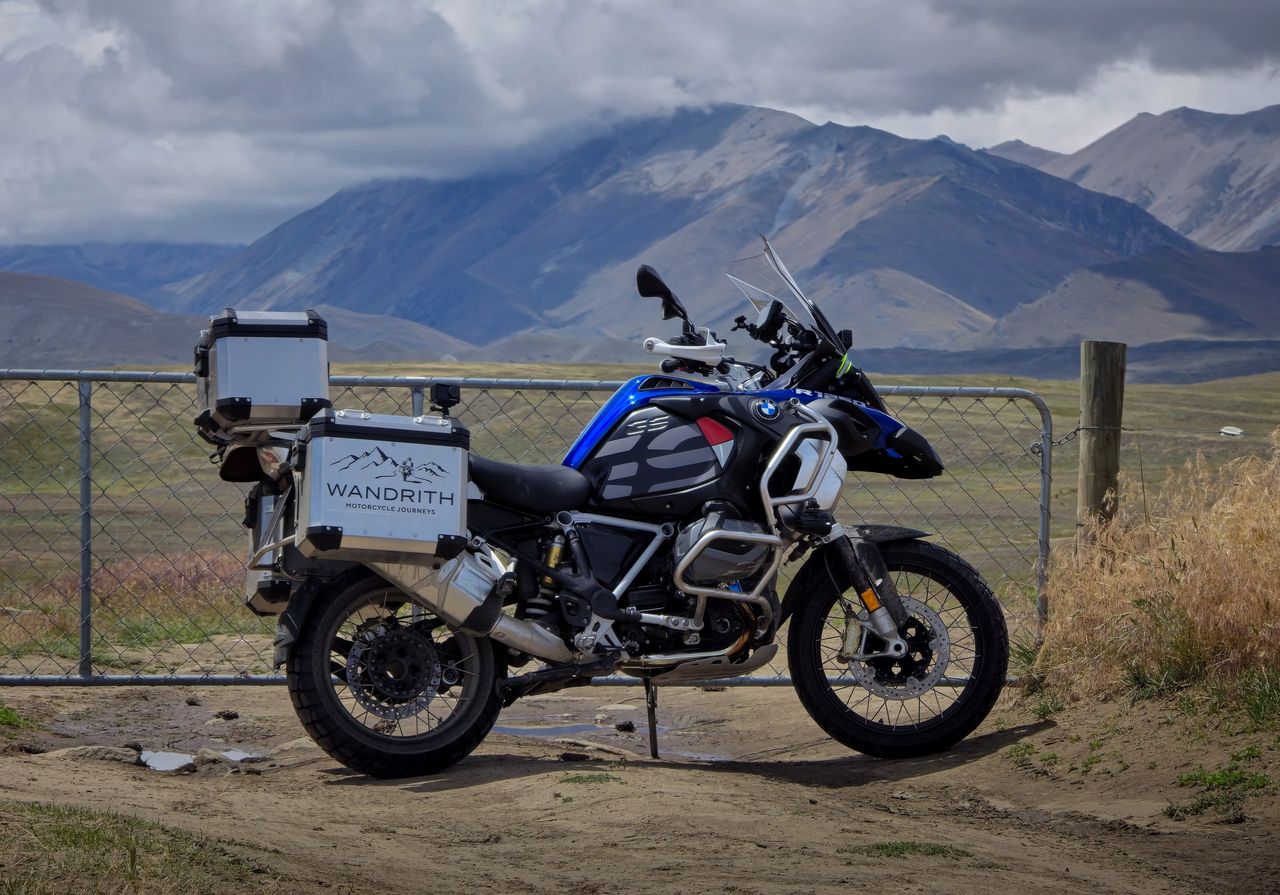
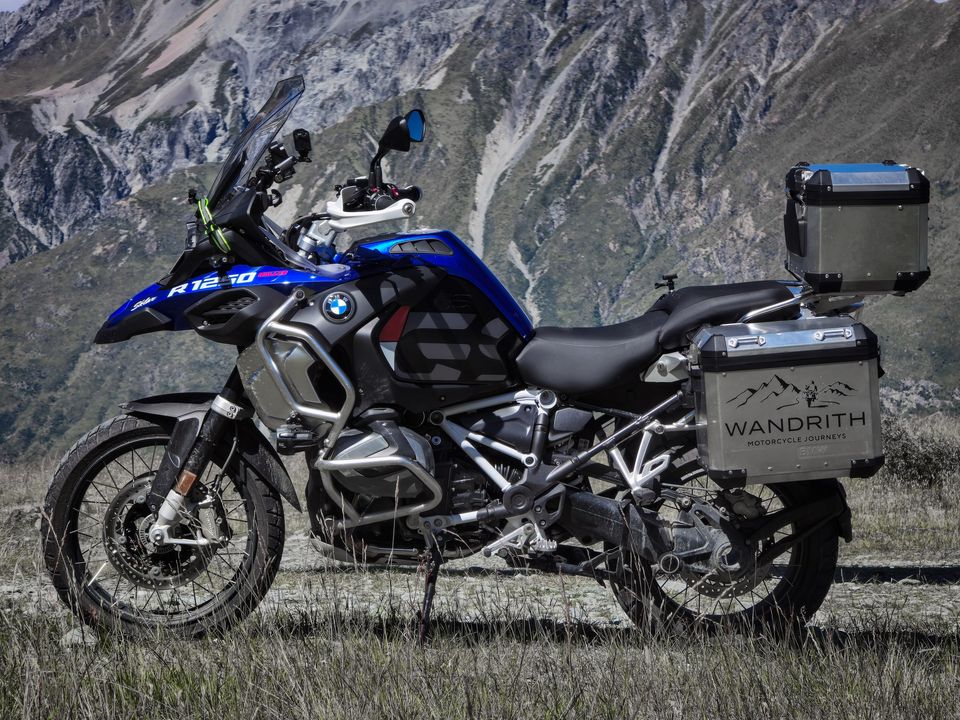
- The exact bike you booked, not a class, fully serviced and fully optioned, with aluminium panniers and a top box. See the fleet.
- The route, turn by turn, in the Wandrith Journey App on the bike’s own screen, with suggested stops and side trips.
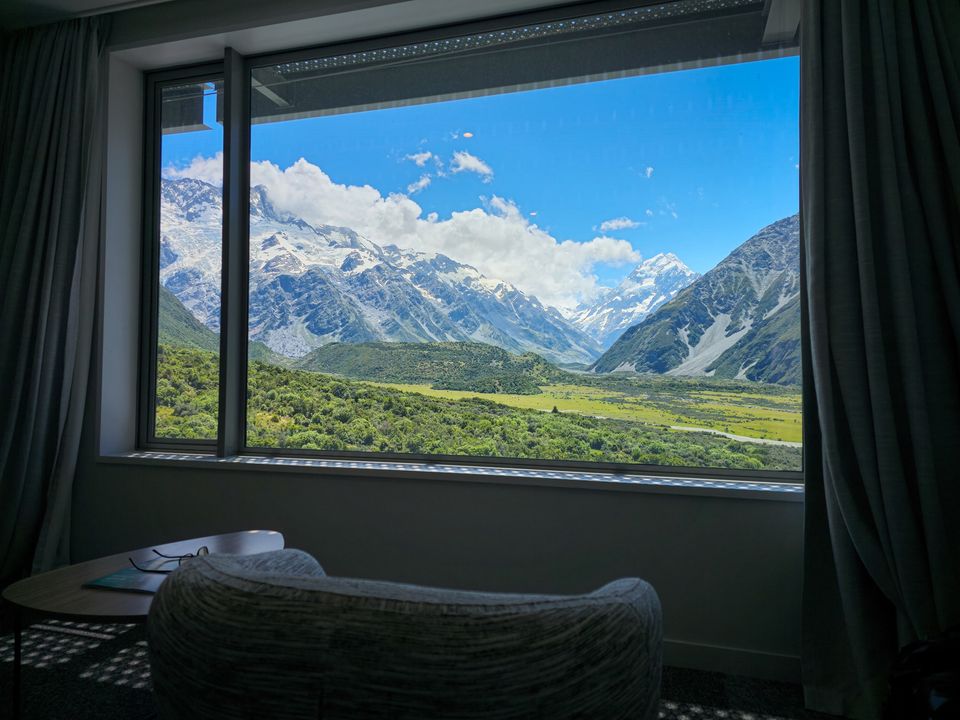
- Somewhere special every night: hotels and serviced apartments, with the occasional log cabin, chosen for the stay itself or for the setting.
- A satellite emergency beacon on every bike, for the places a phone doesn’t reach.
Each journey starts from our base route, which we shape around what you’d like to see and where there’s room to stay. For how the days run, from the briefing to the last night, see how a self-guided journey works.

Side by side
| What differs | Guided | Self-guided |
|---|---|---|
| Who sets the pace | The guide, for the group | You |
| Who navigates | The guide leads and the group follows | You, with the day’s route turn by turn on the bike’s own screen |
| Who you ride with | A group of riders and a guide | Just you, your pillion, or a friend on a second bike |
| Support on the road | The guide, and often a support vehicle with a mechanic | No guide or vehicle: roadside assistance from the AA, a satellite emergency beacon, a puncture plug kit and a first aid kit on every bike, and us to call |
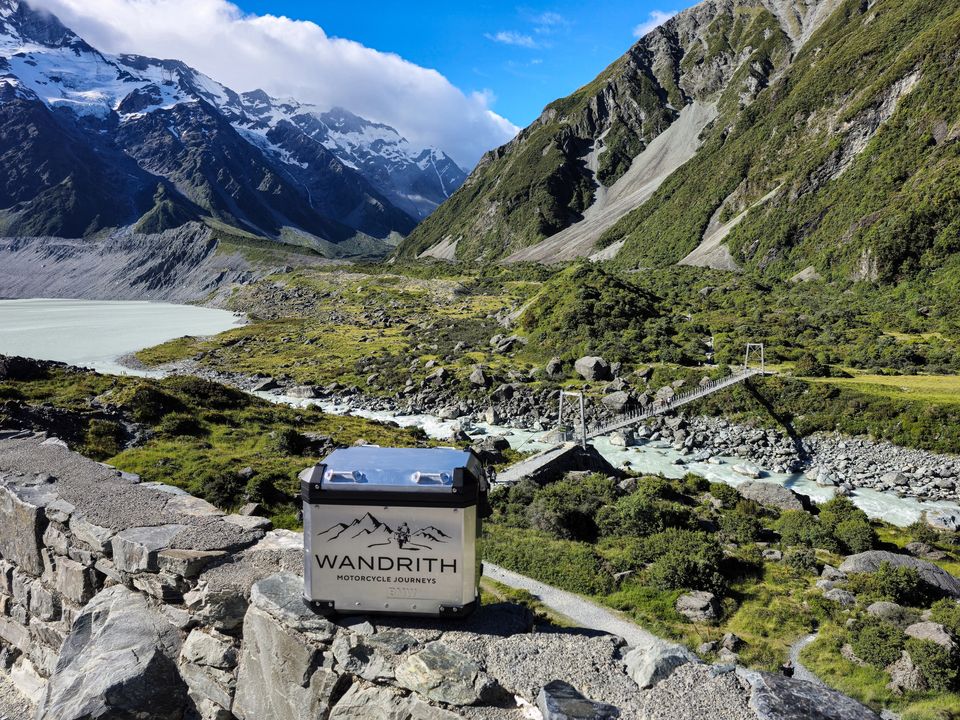
| Your luggage | Often carried in the support vehicle | In the bike’s aluminium panniers and top box |
| Where you sleep | Booked by the operator, where the whole group can stay | Booked by us, somewhere special every night, including places that take one booking at a time |
| Changing the day | The group keeps to the day’s plan | Set off, stop and add side trips as you like; the night’s stay is booked, so where the day ends is set |
Guided tours vary by operator, so check what any tour includes. The self-guided column is ours.
Pace, company and two-up
On a guided tour the day runs at the group’s pace: a set departure, regular regroups and the stops the guide has planned. Plenty of riders like that rhythm. On a self-guided journey you set off when you like, take a long lunch or an extra photo stop, and skip a side trip if you’d rather reach the night’s stay early. The distance between nights is set by the route; how you ride it is up to you.
Company is the real trade. Self-guided, you ride with your pillion or a friend on a second bike, or alone, and the evenings are your own. If meeting other riders is part of what you want from the trip, a guided tour gives you that and we don’t.
Two-up works on either kind of tour. With us, your pillion rides free: the price is per bike, including GST, and a pillion adds nothing. Riding solo, you have a room of your own at the same price per bike. Travelling with a pair of bikes? Talk to us, as some accommodation may be able to be combined to reduce the cost.
Navigation and support on the road
Each day’s route is loaded in advance and runs turn by turn on the bike’s own screen. On a BMW you can control it from the Wonder Wheel, and your Bluetooth helmet works as it does at home. You can look over tomorrow’s ride from your room, and before you set off we brief you on the bike, its kit and the app.

To be plain about the difference: there is no support vehicle following you and no mechanic riding along. What you have instead is on the bike and at the end of the phone:
- A breakdown: every bike has roadside assistance from the AA. Call the AA first, then us, and if your bike can’t be fixed on the spot, we work to get a replacement to you.
- A flat: every bike carries a puncture plug kit, so a flat somewhere remote needn’t end the day.
- An accident: make sure you’re safe, dial 111 if anyone needs help, or use the satellite emergency beacon where there’s no signal, then call us as soon as you can.
- The weather: if it stops you reaching the night’s stay, contact us straight away and we’ll do our best to make other arrangements.
Insurance. Full insurance cover is included. The damage excess is set out in our terms and can’t be reduced. We strongly recommend travel insurance in case of any unforeseen disruptions or medical events.
The experience you need
For a self-guided journey with us, every rider must:
- be at least 25 years old (there is no minimum age for a pillion, as long as they can ride safely as a passenger through long days);
- hold a full, unrestricted motorcycle licence, held for at least two years, and carry the original;
- have at least two years’ riding on a motorcycle similar to the one they book;
- have no convictions for an offence involving a motor vehicle, and be in good physical and mental health.
The two years on a similar bike matter more on a self-guided journey than in a group: there is no one ahead to follow, so the bike should feel familiar from the first morning and the road should get your full attention. Guided operators set their own requirements. If you are newer to riding, or to a bike of this size, riding behind a guide is a sensible way to see New Zealand. For the licence rules and your first day on the left, see riding in New Zealand as a visitor.
Who each suits
A guided tour suits you better if you:
- want company on the road, and other riders to share the evenings with;
- would rather follow a guide than navigate;
- want a mechanic and a support vehicle with you, and your bags carried;
- are riding abroad, or on the left, for the first time and want someone to follow;
- have a partner who would rather travel in a vehicle than ride pillion.
A self-guided journey suits you better if you:
- have ridden for years and would rather set your own pace than keep to a group’s;
- are riding two-up, or with one friend, and want the days to yourselves;
- want a particular bike, the exact one you booked;
- are happy to navigate from the bike’s screen, and to handle a breakdown with a phone call rather than a van;
- want the route shaped around you, and somewhere special every night.
Next steps
If self-guided sounds right, or you are still deciding, book a discovery call: we’ll talk through your riding, the bike and the route, and tell you honestly if a guided tour would suit you better. The four journeys, with their dates and prices, are on the journeys page.
- North Island: 7 days, from Auckland and back, about 1,637 km. Up to NZ$14,999 per bike, including GST.
- South Island: 14 days, from Christchurch and back, about 2,591 km. Up to NZ$26,999 per bike, including GST.
- Ultimate NZ: 21 days, Auckland to Christchurch, about 4,041 km. Up to NZ$35,999 per bike, including GST.
- Aotearoa Odyssey: 28 days, Auckland to Christchurch, about 5,377 km. Up to NZ$47,999 per bike, including GST.