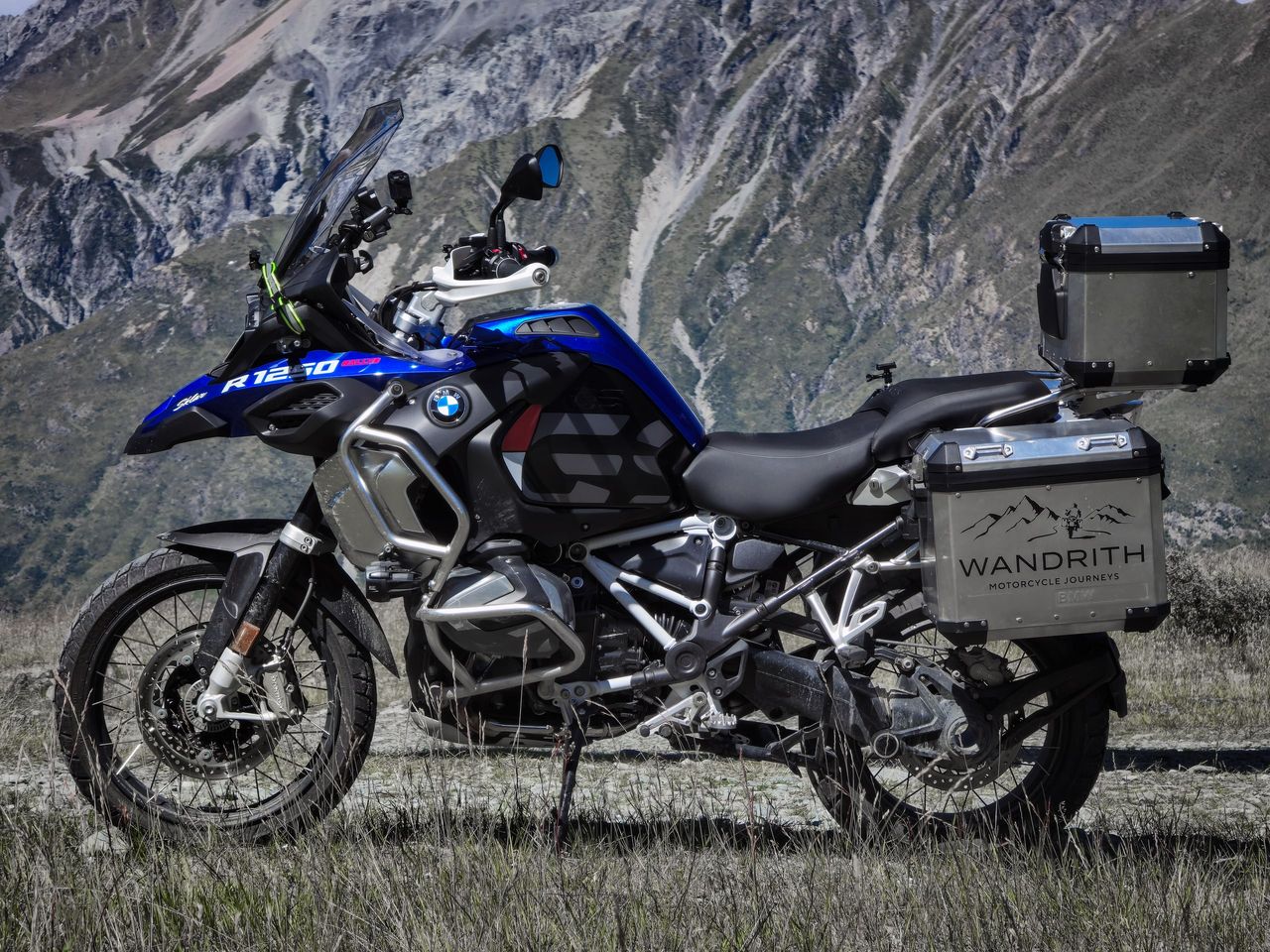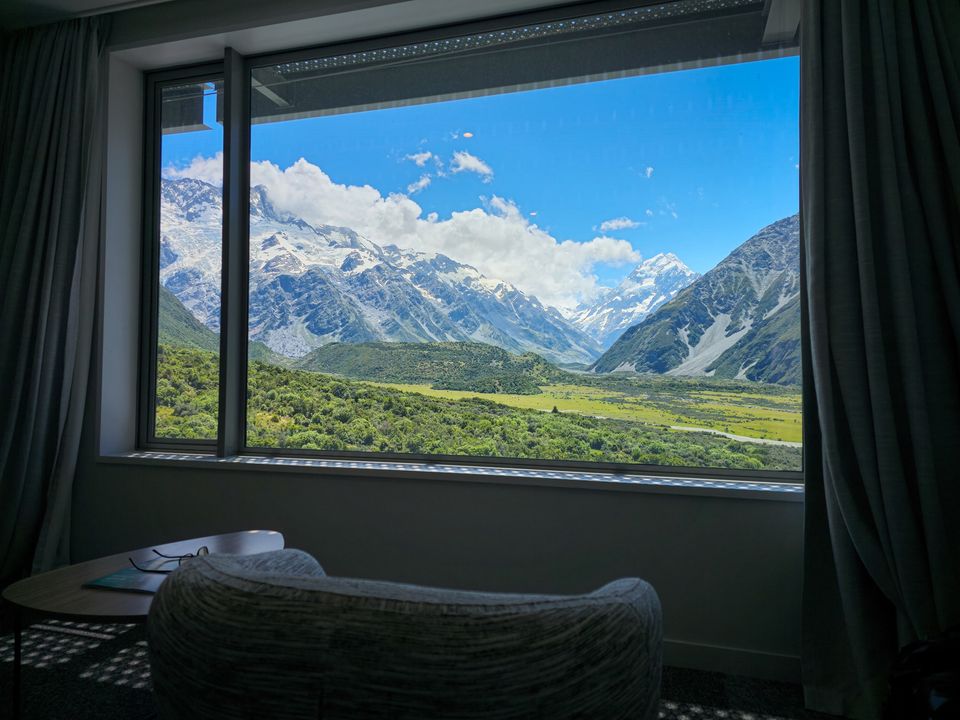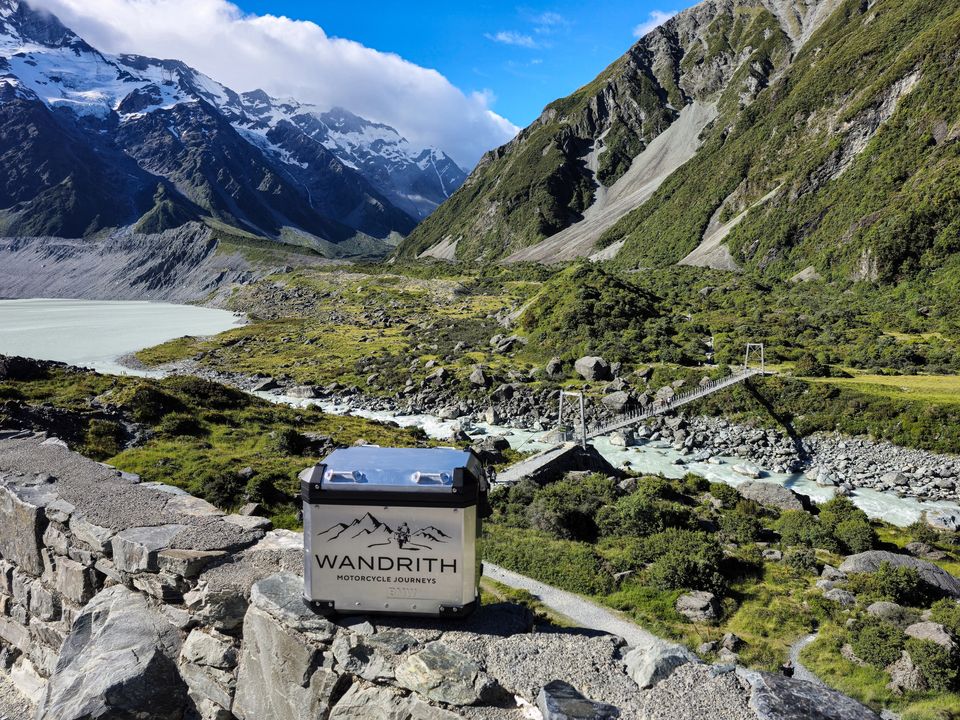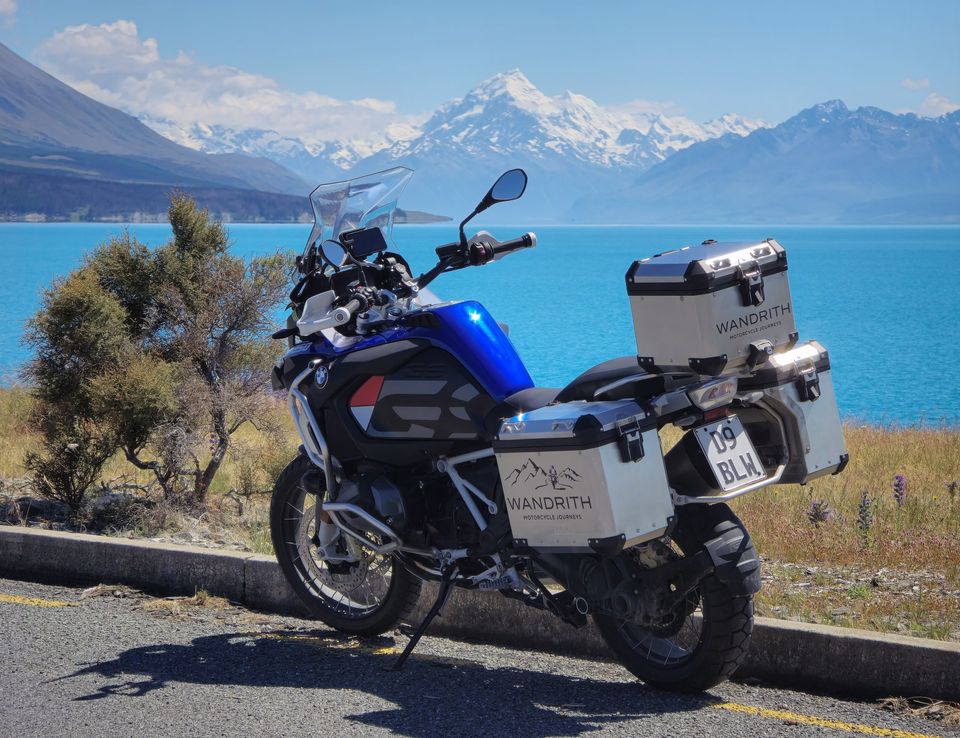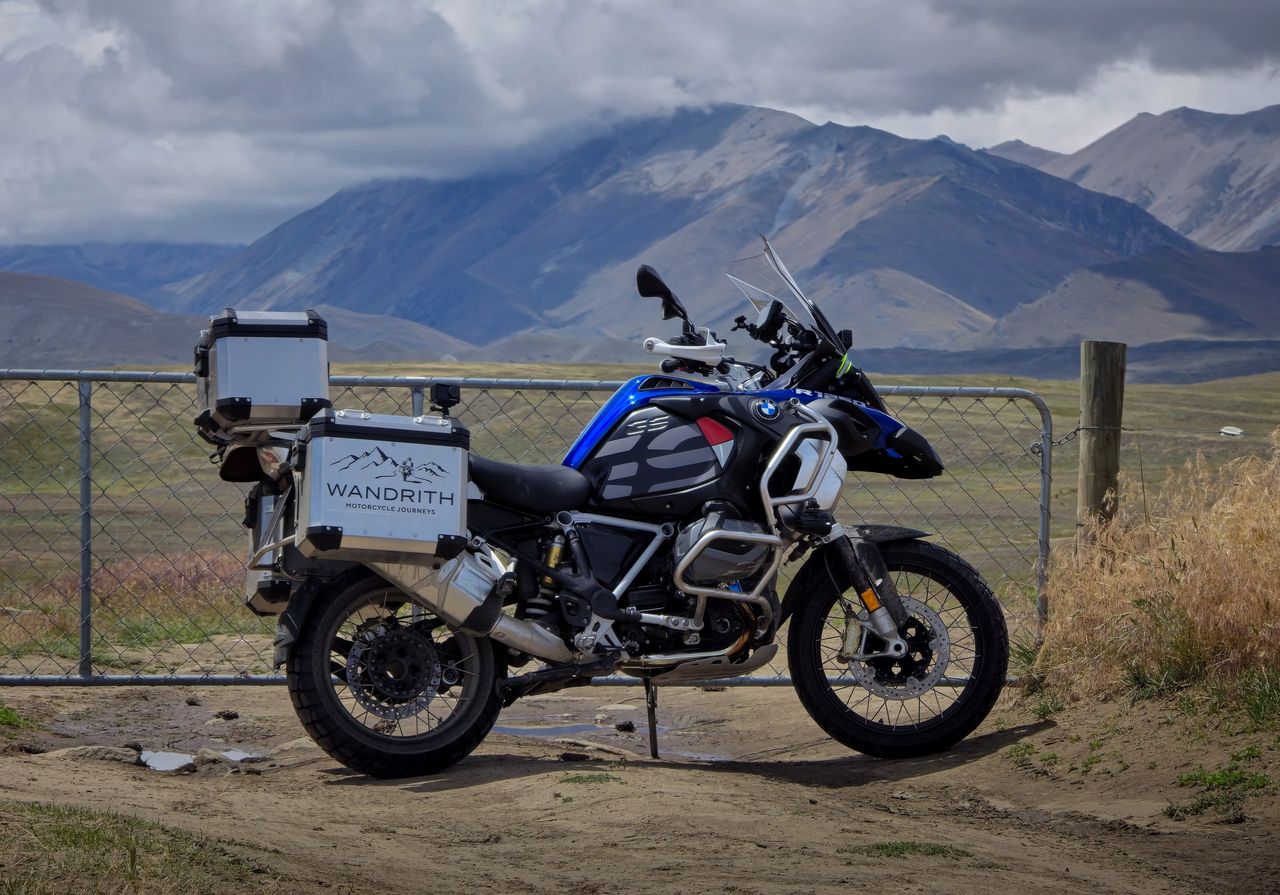
To ride a motorcycle in Aotearoa New Zealand as a visitor, you need the full motorcycle licence you hold at home, carried as the physical card, with an International Driving Permit or an approved English translation if it isn’t in English. Most visitors also need an NZeTA before they fly. Traffic keeps to the left.
This guide covers what riders ask us before a self-guided motorcycle tour: the paperwork, the road rules that catch visitors out, fuel and tolls, riding two-up and what to do if something goes wrong.
Your licence
You need a full, unrestricted motorcycle licence from your home country. New Zealand law requires you to carry the original physical licence whenever you ride: copies, scans and digital licences are not accepted.
If your licence isn’t in English, you also need an International Driving Permit (IDP), which you must get at home before you travel, or an accurate English translation from a translator the New Zealand Transport Agency approves. It sets out the rules for overseas licences in driving on New Zealand roads.
To ride a Wandrith motorcycle you must be at least 25, have held a full motorcycle licence for at least two years, and have at least two years’ riding experience on a motorcycle similar to the one you book.
The NZeTA and the visitor levy
If you come from one of the visa waiver countries, you don’t need a visa to visit New Zealand, but you do need a New Zealand Electronic Travel Authority (NZeTA) before you travel, and most visa-waiver visitors also pay the International Visitor Conservation and Tourism Levy (IVL) when they apply. Australian citizens travelling on an Australian passport need neither a visa nor an NZeTA.
Apply on the official Immigration New Zealand NZeTA site, and check the current fees there. Don’t buy an NZeTA through a third-party agent: agents often charge much more, and some never deliver it.
Riding on the left
New Zealand drives on the left. The rules that matter most in the first few days:
- Turning right, give way to oncoming traffic, including vehicles turning left: the same rule as in the UK and Australia.
- Helmets are compulsory for riders and pillions (passengers).
- At a roundabout, give way to traffic coming from your right.
- A solid yellow line on your side of the centre line means no overtaking.
- A yellow traffic light means stop, unless it’s unsafe to.
- Merging traffic gives way to vehicles already on the road.
- Passing lanes are common, and slower vehicles often pull over to let you by.
- Open roads are mostly 100 km/h (110 km/h on a few expressways) and towns 50 km/h, but many rural roads are posted lower: the sign is the limit.
Most roads are one lane each way, and country roads can be narrow and unmarked. Single-lane bridges are common, on the West Coast especially; signs on the approach show which direction gives way. A day’s ride takes longer than the map suggests, with winding roads, roadworks and campervans, so ride defensively.

Our routes are almost all sealed, with a few short stretches of gravel, such as the road into Mount Lyford and the last stretch to Paradise. The roads guide has more examples.
Speed limits, the police and breath tests
Speed limits are strictly enforced, especially over holiday periods: keep to the posted limit. If the police stop you, stay calm and stay where you are. You’ll be asked for your driver licence, so keep it where you can reach it. You don’t need to carry insurance documents.
Random breath testing is common, at roadside checkpoints or after any stop, and every rider must take part. The first test is a small handheld screening device; fail it and a fuller roadside test follows, then, if needed, an evidential breath or blood test, usually at a police station. We strongly advise against riding after any alcohol at all.
Since 1 July 2026 the police have also run roadside drug tests across the country: a saliva swab that screens for cannabis, methamphetamine, MDMA and cocaine. Two positive screens mean you can’t ride for 12 hours, and a fine follows if a lab confirms the result; refusing the test brings a fine, demerit points and the same ban. If you take prescription medicine, keep the prescription: it won’t stop a roadside test, but it supports a medical defence afterwards.
Fuel, tolls, ferries and paying
Petrol stations are easy to find and mostly self-service: Z, BP and Mobil in the larger centres, smaller operators in the country. Some pumps ask you to pay first. Take care on a sloping or uneven forecourt with a loaded bike.
On a Wandrith journey the bike comes with a full tank, and the Wandrith Journey App suggests fuel stops along each day’s route. Fuel after that first tank is yours to pay for.
There are a few toll roads, charged by number-plate recognition, with no booths. Where a Wandrith route uses one, the toll is already included.
The Cook Strait ferry (Interislander or Bluebridge) is included on the two journeys that cross it, Ultimate NZ and Aotearoa Odyssey. The Odyssey’s harbour ferries in Northland, the Hokianga ferry from Kohukohu to Rawene and the ferry to Russell if you take it, aren’t: each is a small fare, paid on the spot.
Cards are accepted almost everywhere, at the pump included. Make sure yours works overseas and that you know its PIN, and carry a little cash, around NZ$250, for the odd market stall or remote café.
Riding two-up
There is no extra charge for a pillion on any Wandrith journey: prices are per bike. We set no minimum age for a pillion, as long as they can ride safely as a passenger for long days. Helmets are compulsory for pillions too.
If you have an accident
First, make sure you are safe and follow any instructions from the police or the emergency services. Dial 111 for police, fire and ambulance; the call is free from any phone. Then call us as soon as you can.
New Zealand’s Accident Compensation Corporation (ACC) covers treatment for accidental injury, visitors included, though a clinic may still charge part of its fee. ACC doesn’t pay to get you home, or for a disrupted trip, and it doesn’t cover illness. Under reciprocal health agreements, visitors from Australia can get immediately necessary treatment in a public hospital, though not subsidised GP visits, and UK citizens who live in the UK can get timely treatment for a new condition and pay a GP what a New Zealander would. Other visitors pay for treatment of illness.
A visit to a GP (general practitioner) usually costs about NZ$200 for visitors, and up to NZ$300 at some clinics. Travel insurance is essential: it can cover routine and emergency treatment, hospital stays and medical repatriation.
Every Wandrith motorcycle carries a satellite emergency beacon, a first aid kit and a puncture plug kit, and has roadside assistance from the AA. If the bike breaks down, call the AA first, then let us know and we’ll arrange what you need.
Insurance. Full motorcycle insurance cover is included.
Your first day on the left
Allow at least one full day of rest after you arrive, to get over the flight and the time difference, and book a hotel for the nights before and after the journey (we can suggest one). Mobile coverage is good in towns, but parts of the routes, in the South Island especially, have none; a local SIM card or an eSIM is the easiest way to stay connected where there is signal.
Day 1 of the South Island journey starts gently: a warm-up ride from Christchurch around the headlands of Lyttelton Harbour, before the coast road north to Kaikōura.

Ride New Zealand with us
Four self-guided journeys, each with the bike you choose, somewhere special every night and the route in the app:
- North Island: 7 days, from Auckland and back, about 1,637 km. Up to NZ$14,999 per bike, including GST.
- South Island: 14 days, from Christchurch and back, about 2,591 km. Up to NZ$26,999 per bike, including GST.
- Ultimate NZ: 21 days, Auckland to Christchurch, about 4,041 km. Up to NZ$35,999 per bike, including GST.
- Aotearoa Odyssey: 28 days, Auckland to Christchurch, about 5,377 km. Up to NZ$47,999 per bike, including GST.
Next: when to ride, what to pack, and how a self-guided journey works. More questions are answered in the FAQ.