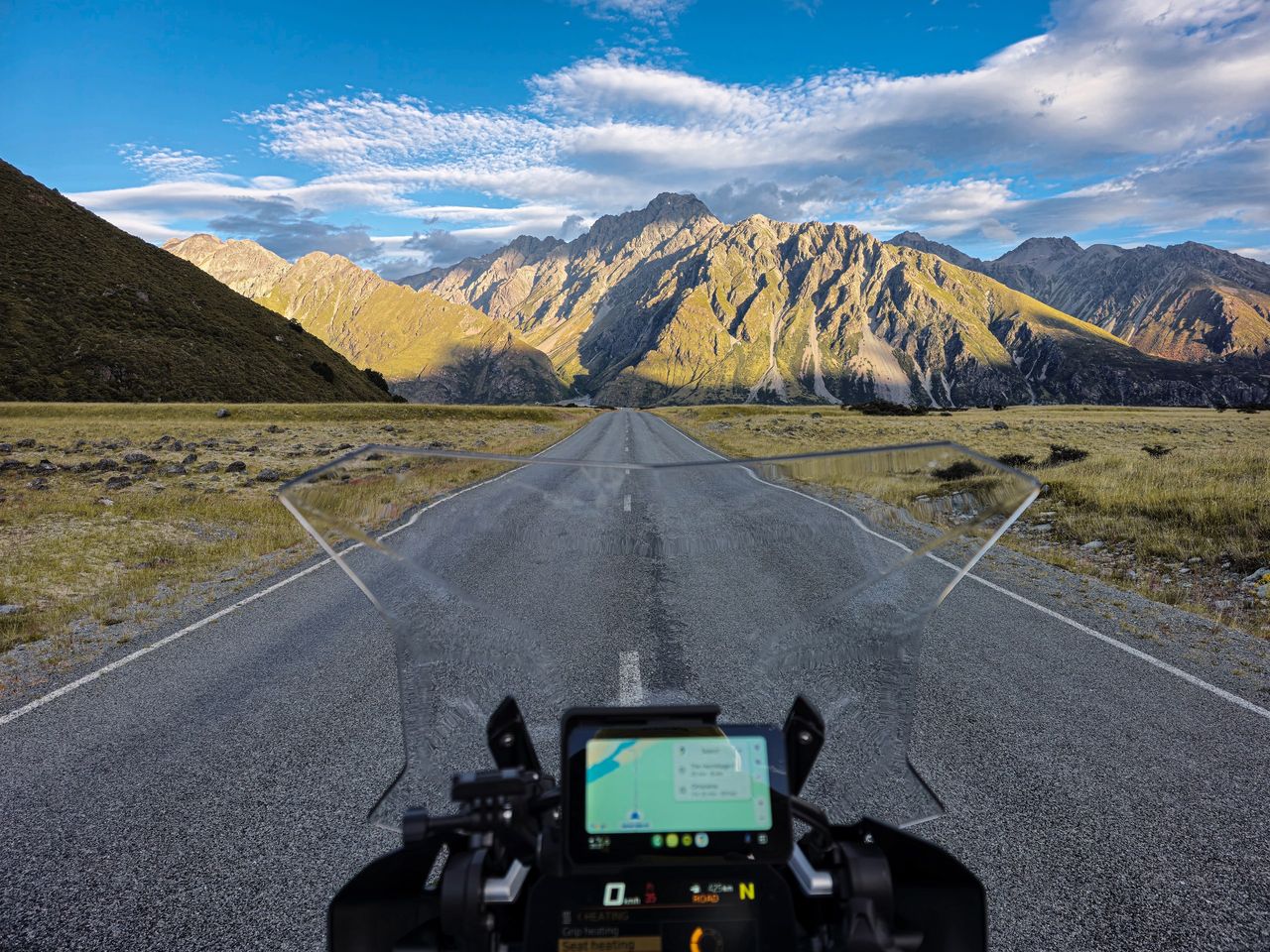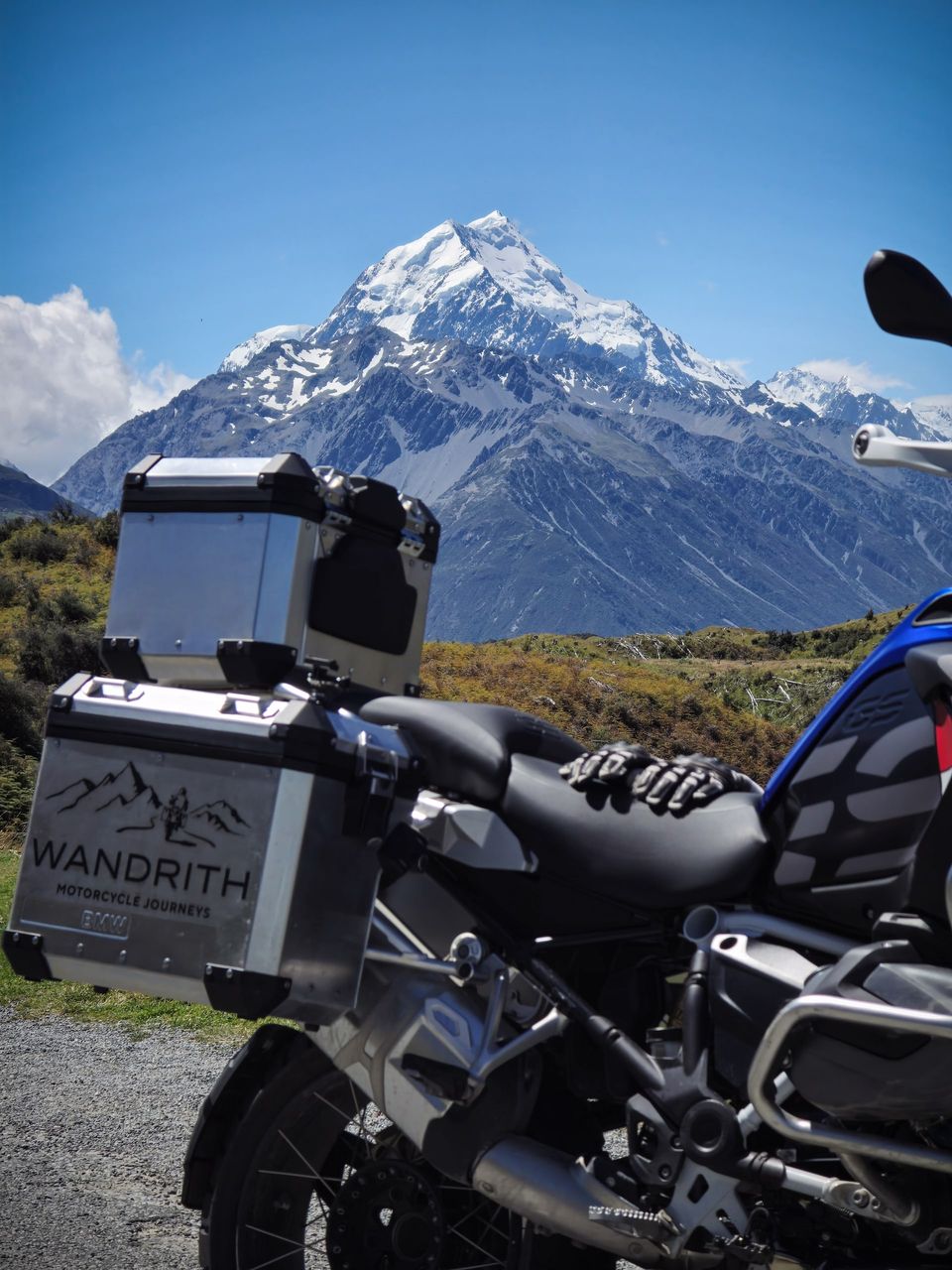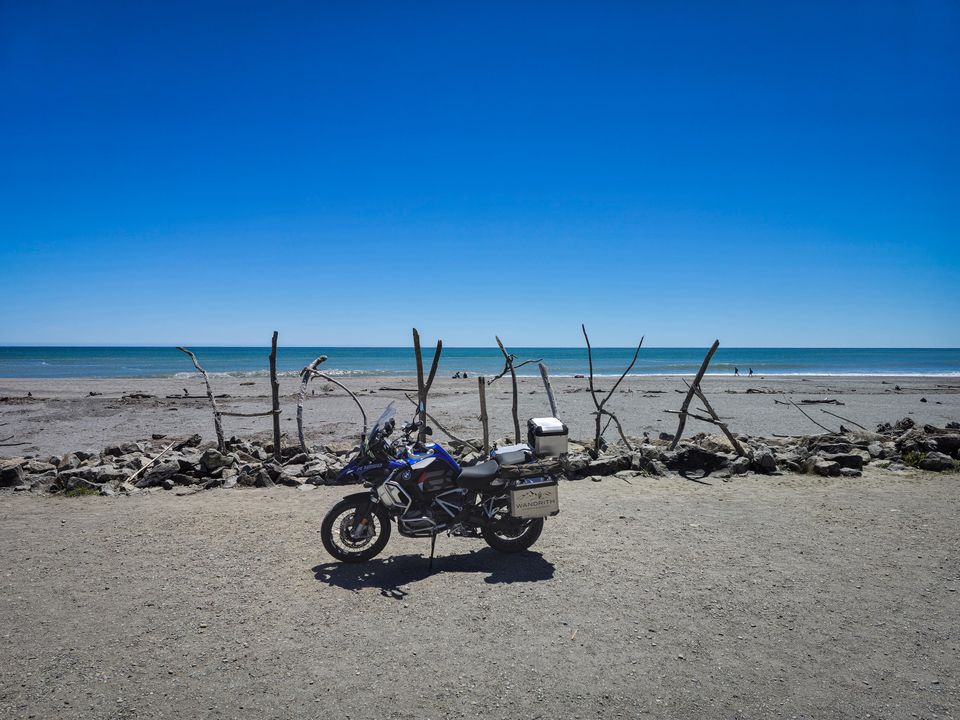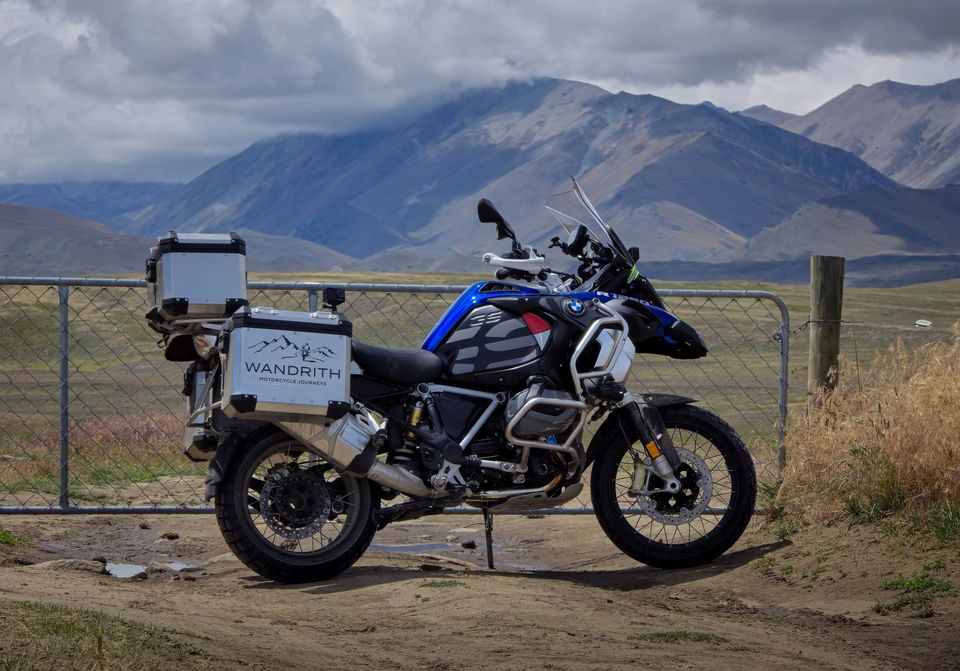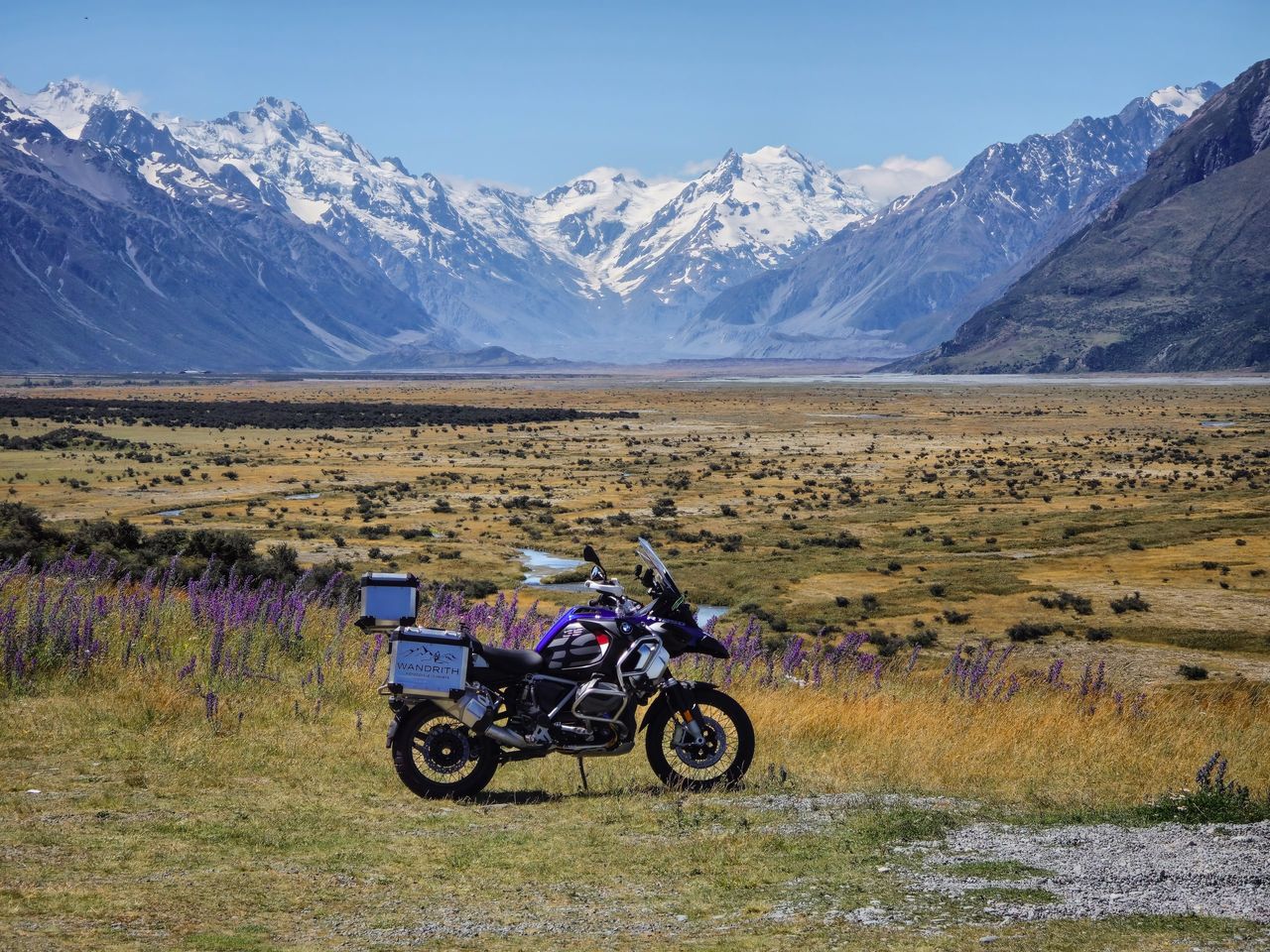
The season for a self-guided motorcycle tour of Aotearoa New Zealand is the southern spring, summer and early autumn. Our journeys run from November to April, in three seasons: prime season, 1 February to 15 March; peak season, December, January and 16–31 March; and shoulder season, November and April. The summer months have the longest, warmest days; November and April are cooler and quieter, and cost less.
Month by month
New Zealand’s seasons are the reverse of the northern hemisphere’s: the riding season runs from November to April. Daylight saving runs from the last Sunday in September to the first Sunday in April.
| Month | Season | Daytime | Daylight |
|---|---|---|---|
| November | Shoulder | 16 to 21°C (late spring) | Sunset about 8 to 9.15 pm, later in the south |
| December | Peak | 20 to 25°C (summer) | Sunrise about 5.45 to 6 am, sunset about 8.40 to 9.35 pm |
| January | Peak | 20 to 25°C (summer) | Sunrise about 5.45 to 6 am, sunset about 8.40 to 9.35 pm |
| February | Prime | 20 to 25°C (summer) | By the end of the month, sunrise nearer 7 am, sunset 8 to 9 pm |
| March | Prime to 15 March, then Peak | 18 to 24°C (early autumn) | Sunset about 8 to 8.30 pm early in the month, 7.15 to 7.45 pm by the end |
| April | Shoulder | 15 to 20°C (autumn) | Sunset about 6.15 to 6.30 pm once daylight saving ends, 5.30 to 5.45 pm by the end |
Ranges are typical for the season across the country; inland, alpine and coastal days can differ by several degrees, and the mountains are always cooler.
Prime and peak seasons: December to March
Summer is the busiest riding season. Prime season is 1 February to 15 March; peak season is December, January and 16–31 March. The days are long and warm, usually 20 to 25°C and sometimes over 30°C inland and on the east coast, and in midsummer the sun sets at about 8.40 pm in Auckland, 9.10 pm in Christchurch and 9.35 pm in Queenstown. Accommodation on the routes is also at its most limited, so we recommend booking at least six months ahead to secure your preferred dates.
The sun is strong. Summer UV in New Zealand is about 40% higher than at similar latitudes in the northern hemisphere, and among the highest in the world. The biggest reason is the clean, clear air; a thinner summer ozone layer and the Earth being closer to the sun add to it. Unprotected skin can burn in as little as 12 minutes, even on a cloudy day. Wear sunscreen and reapply it every two hours while you ride.

Shoulder season: November and April
November is spring: sunshine and showers, crisp mornings and daytime temperatures of about 16 to 21°C, colder in the alpine areas. April is autumn: days of about 15 to 20°C, cooler evenings and quieter roads, with the odd early cold snap late in the month, in the South Island especially. Daylight saving ends on the first Sunday in April, when sunset moves to about 6.15 to 6.30 pm, and by the end of the month it is about 5.30 to 5.45 pm.
Every journey costs less in the shoulder season, on every bike (below). Pack layers either way: mornings and evenings are cool.
North and South
The North Island is warmer and more humid, with the occasional burst of tropical rain in late summer. The South Island’s air is cooler and crisper, with clear days and a greater chance of a sudden change in the weather, near the mountains above all. On the West Coast and in Fiordland, sandflies come with the rainforest: carry insect repellent.
When the weather turns
New Zealand weather is famously changeable: sun, wind, rain and cloud can all come in a single day. Bring layers and a good waterproof riding jacket, whatever the month. Every journey has at least one rest day built in.
Heavy rain can close an alpine pass or a coastal road for a day or more, and now and then the tail end of a Pacific cyclone brings several days that are not fit for riding. If that happens, contact us straight away, and we’ll do our best to make other arrangements. The Cook Strait ferry (Interislander or Bluebridge) can be cancelled in bad weather too: we help you adjust the journey where we reasonably can. Travel insurance that covers travel disruption is essential.
Prices by season
Each journey’s price depends on the seasons it runs in and the bike you choose. Each day of your journey is priced at the season it falls in, so a journey that runs from one season into the next costs a mix of the two. Prices don’t change with demand, and your price is locked when you pay the deposit.
| Journey | Prime season (1 February to 15 March) | Peak season (December, January and 16–31 March) | Shoulder season (November and April) |
|---|---|---|---|
| North Island, 7 days | NZ$13,499 to NZ$14,999 | NZ$12,599 to NZ$13,999 | NZ$11,249 to NZ$12,499 |
| South Island, 14 days | NZ$24,299 to NZ$26,999 | NZ$22,499 to NZ$24,999 | NZ$19,799 to NZ$21,999 |
| Ultimate NZ, 21 days | NZ$32,399 to NZ$35,999 | NZ$29,699 to NZ$32,999 | NZ$26,099 to NZ$28,999 |
| Aotearoa Odyssey, 28 days | NZ$43,199 to NZ$47,999 | NZ$39,599 to NZ$43,999 | NZ$35,099 to NZ$38,999 |
Each range runs across the fleet, from the Royal Enfield Himalayan up to the large BMW GS Adventures. Pillions (passengers) ride free. See the journeys for dates.
Outside the season
Winter journeys aren’t offered on the website. We don’t run South Island journeys in winter: June to August brings ice and snow to the alpine areas and ice to the roads, which makes them unsafe. A North Island journey is possible in the colder months, with the odd shower; if that interests you, book a call and we’ll talk it through.